
Clear the immediate blockage without missing the cause
Fast action on overflow
Urgent clearance helps reduce the spread of contaminated wastewater around the property.
Method matched to severity
The way we clear the drain depends on access, blockage depth and affected fixtures.
Watch for deeper faults
Restored flow does not stop us from noting signs of a bigger drainage problem.
When a blockage turns into an urgent property problem
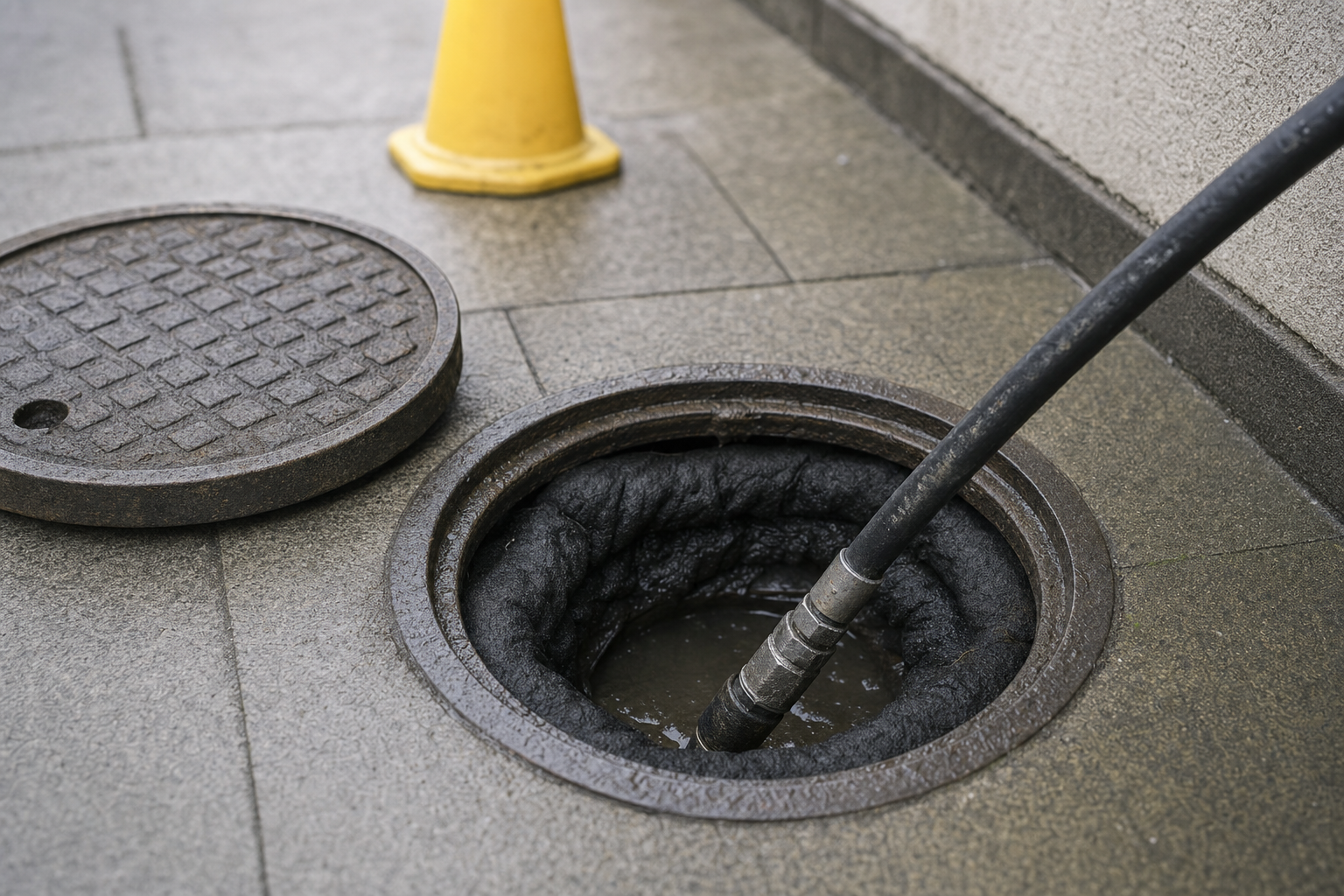
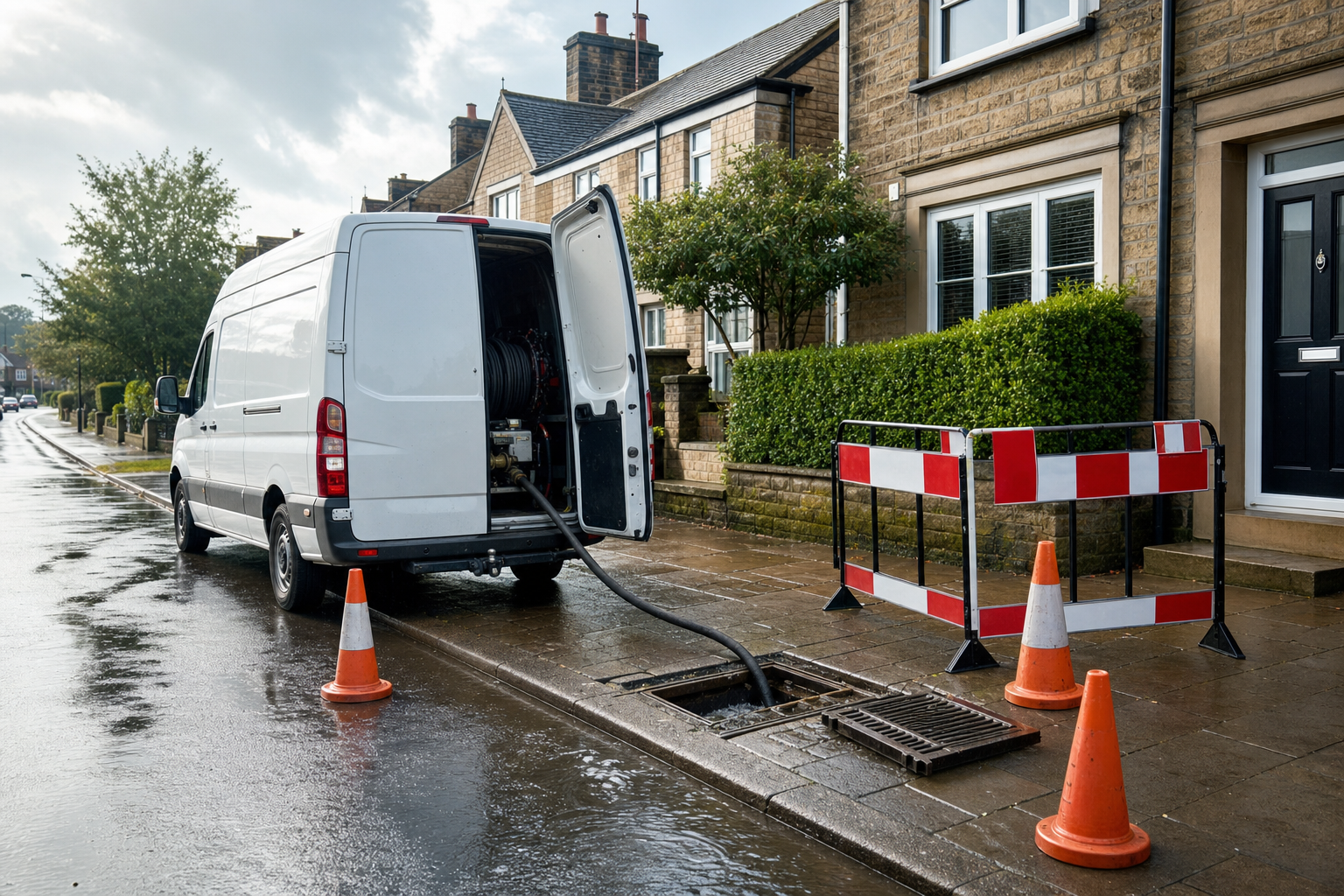
Some blocked drains can wait a little while. Others cannot. If waste is overflowing, toilets are unusable, gullies are backing up or drainage has suddenly failed across the property, the first priority is to reduce further discharge and get the blockage cleared as safely as possible. We start by finding out how far the problem has spread, whether one outlet or several are affected and where a suitable access point is likely to be. A call to Flowfix Drainage Services Ltd helps us prepare for a household, commercial or industrial drainage emergency so we can work on restoring immediate flow before the mess and disruption grow.
Immediate flow first, then the wider picture
The clearance method depends on where the blockage sits, how severe it is, the available pipe access and whether more than one fixture is involved. Once the urgent blockage is released, we look for signs that the drain may have a deeper defect or recurring obstruction that needs further investigation. With Flowfix Drainage Services Ltd, you also get practical safety advice while waiting for attendance, including stopping water use where possible and keeping people away from contaminated areas.
Frequently asked questions
What should I do if wastewater is overflowing?
Stop using the affected toilets, sinks or appliances straight away if it is safe to do so. Keep people away from the contaminated area, do not let more water enter the blocked line and clear a route to the drain access point. Those simple steps can help limit spread while we are making our way to you.
Will clearing the blockage always solve the full problem?
Not always. Some urgent blockages are one-off obstructions, but others point to ongoing build-up or damage deeper in the drainage run. Once the immediate flow is back, we look for signs that further investigation or repair may be needed so the problem is not simply left to return again soon.
How do you decide where to clear from?
We use the affected fixtures, the likely blockage position and the best available access point to choose how the clearance should begin. If several outlets are involved, that can suggest the problem lies farther along the system. Safe access and the pipe layout both matter when planning the first step.