
A blockage release that makes practical sense
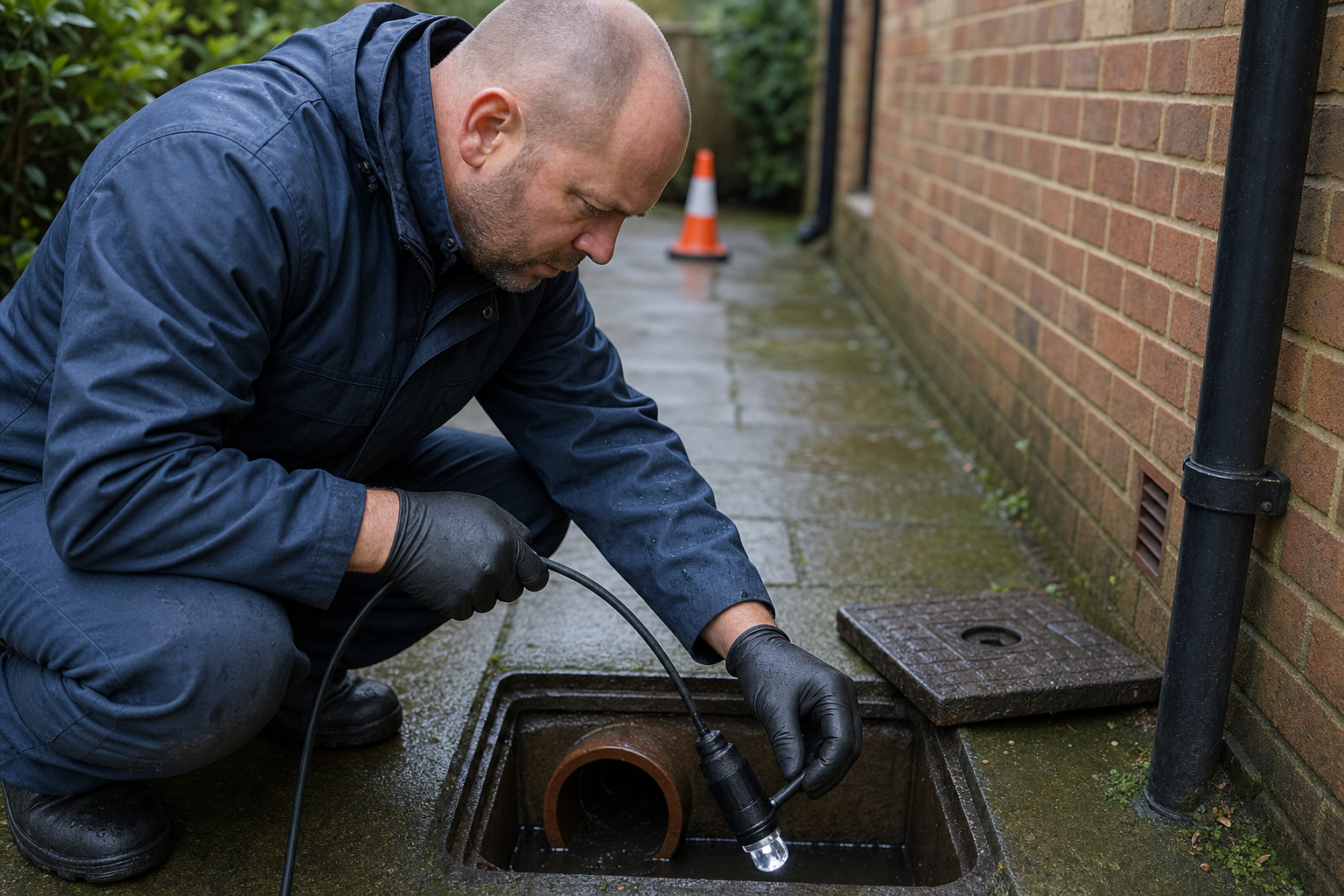
Find the best access point
Starting from the right place helps us clear the obstruction more effectively.
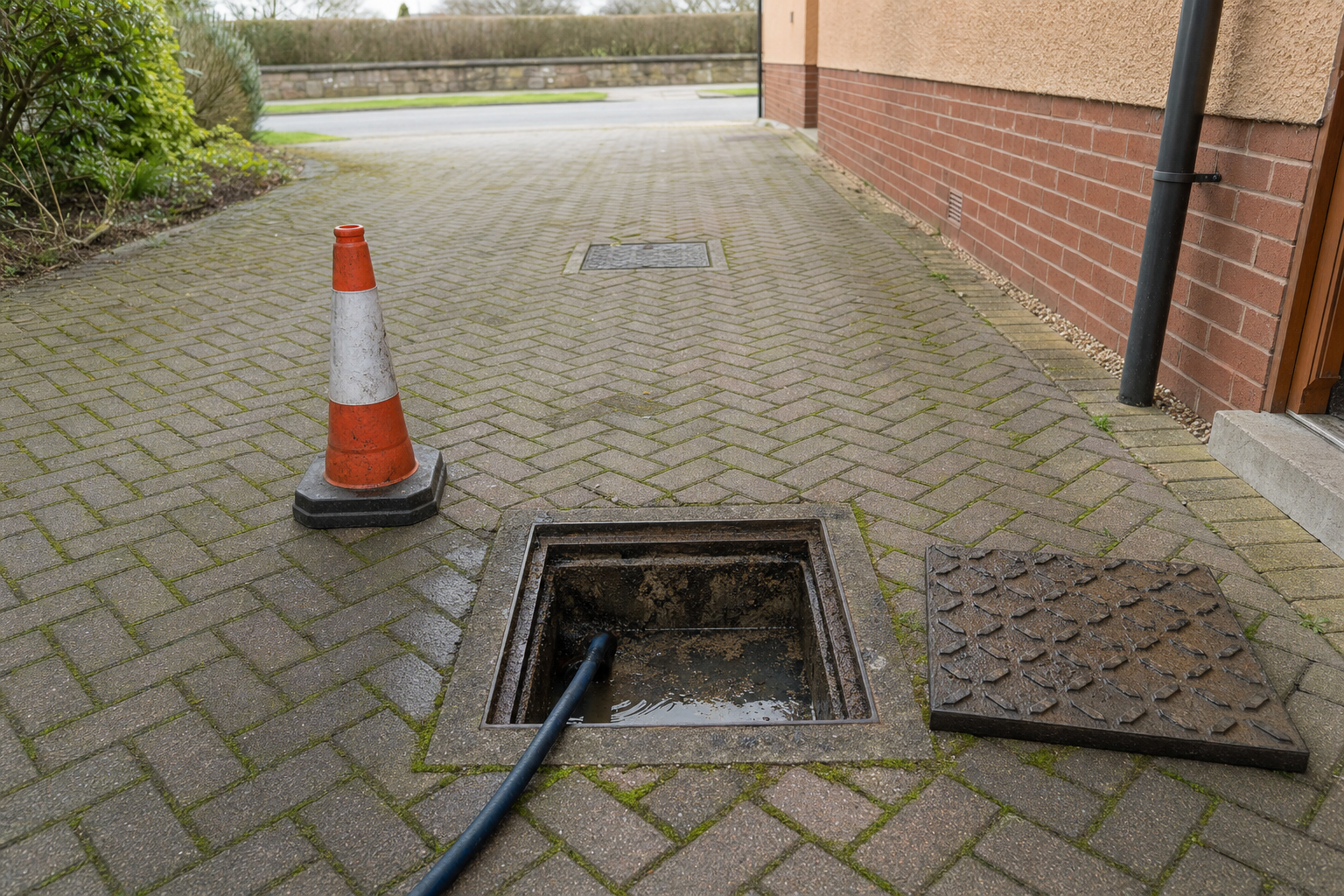
Choose the right method
Some drains need direct clearance, while others need jetting to remove more residue.
Do not ignore repeat signs
Recurring blockages can point to deposits or faults deeper in the drainage run.
Restoring movement through blocked pipework
Drain unblocking is about restoring flow after debris, deposits or another obstruction has slowed it down or stopped it completely. The first useful clue is often which fixtures are affected. One outlet may point to a local issue, while several affected fixtures can suggest trouble in a branch pipe or the main drainage run. That helps shape the next step before we begin. A visit from Flowfix Drainage Services Ltd starts with locating accessible drainage points and testing how the system is behaving, so the work is based on evidence rather than guesswork and the blockage can be tackled in the most sensible way.
Clearance, flow testing and follow-up advice
Once we reach the right access point, we work to break up the obstruction and confirm that water runs away properly afterwards. Sometimes direct clearance is enough. In other cases, jetting is the better answer because residue remains on the inside of the pipe and would soon catch more waste. Choosing Flowfix Drainage Services Ltd means you get an explanation of which method suits the blockage and clear advice if repeat symptoms suggest build-up or another condition that needs a closer look.
Frequently asked questions
Can the affected fixtures show where the blockage is?
Yes, they can give a strong clue. If one sink or toilet is affected, the problem may be local to that outlet or branch. If several fixtures are slow or backing up together, the obstruction may be farther down the line. That pattern helps us judge the likely area before we begin work.
Do all blocked drains need jetting?
No. Some drains can be restored with direct clearance once we reach a suitable access point. Jetting becomes more useful when deposits remain stuck to the pipe interior, when the blockage is especially stubborn or when repeat symptoms suggest a simple release would leave too much residue behind.
What if the blockage keeps coming back?
A recurring blockage is often a sign that the issue is not fully solved. Deposits may still be lining the pipe, or there may be a persistent condition inside the drainage run that needs closer investigation. We explain those signs clearly so you know whether cleaning, jetting or a further check makes sense.