
Keep more capacity inside the pipe
Useful before full blockage
Cleaning can remove deposits before they reduce the line to a narrow channel.
Targeted or wider treatment
We can clean one troubled section or more of the run where build-up is broader.
Based on how drains are used
Usage patterns help guide the most sensible future cleaning interval for the line.
Planned cleaning helps before flow gets worse
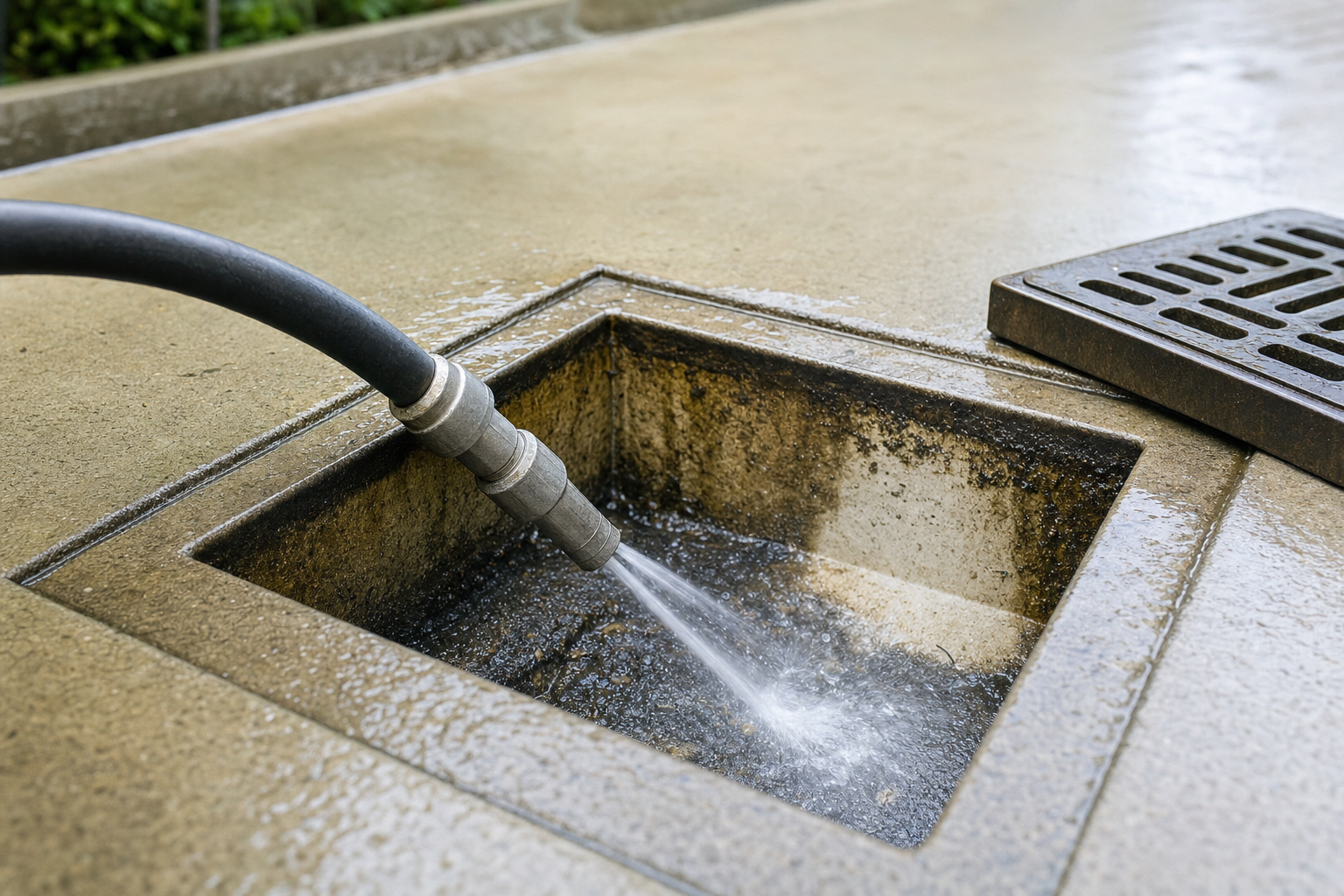
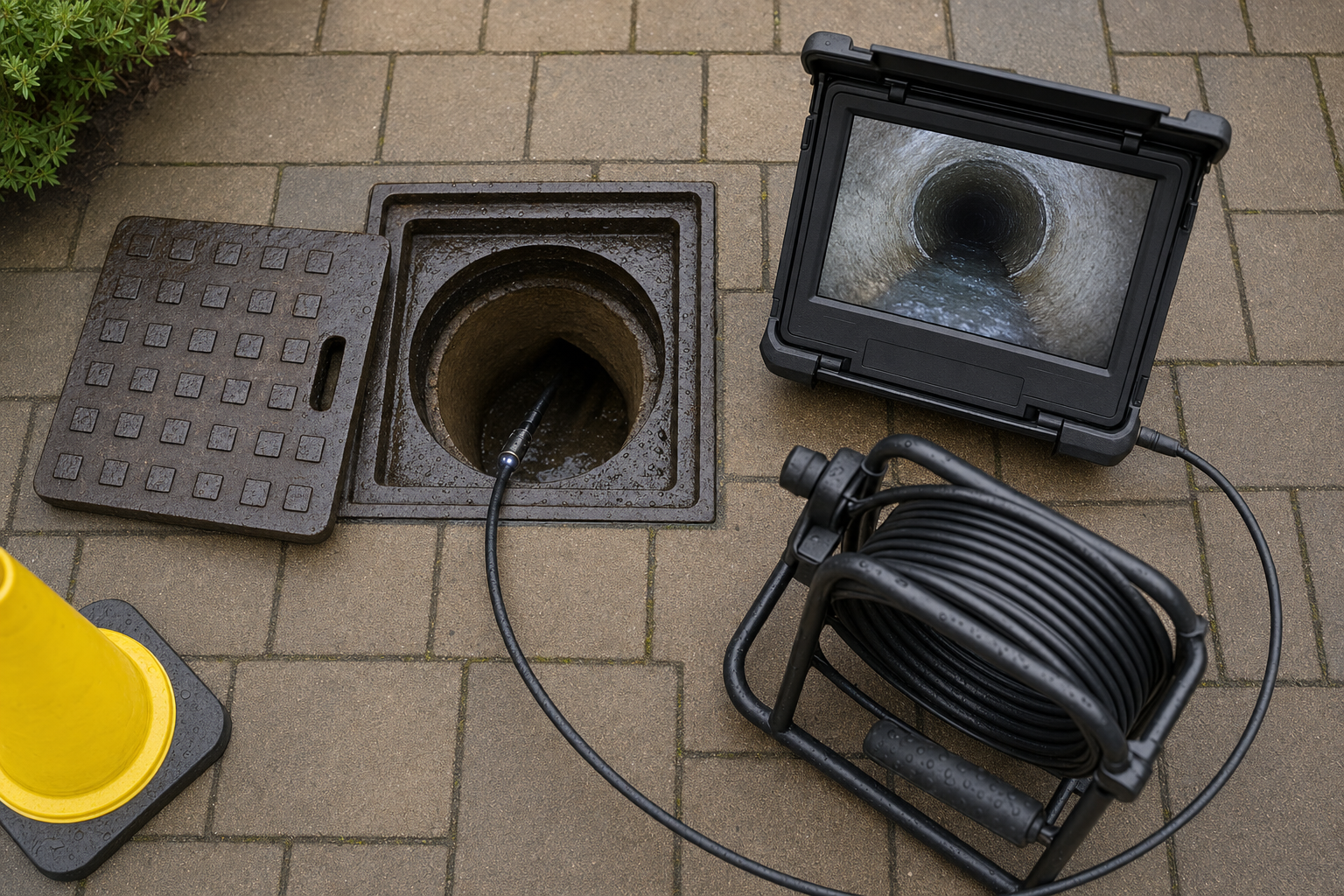
Drain cleaning is not only for lines that have already failed. It is also a practical way to remove deposits before they narrow the pipe too much and start causing regular trouble. Grease, soap residue, scale, sludge and silt can build up over time, reducing the room inside the pipe and making slow flow, smells and repeat blockages more likely. Cleaning can also be useful after a blockage has been cleared, when the main obstruction is gone but residue remains behind. A visit from Flowfix Drainage Services Ltd is planned around how the drain is used and what material is likely to be entering it, so the cleaning is based on the real pattern of build-up.
Cleaning matched to the line and its history
Some drains need targeted cleaning of one problem section. Others need broader cleaning across a longer run because deposits have a history of returning. Usage patterns, property type and the material entering the system all help shape the sensible interval for future cleaning. Choosing Flowfix Drainage Services Ltd means you get clear expectations on access, the removal of loosened deposits and a final check that the treated line is carrying water effectively once the cleaning work is complete.
Frequently asked questions
How is planned drain cleaning different from unblocking?
Unblocking deals with a drain that has already slowed badly or stopped. Planned cleaning aims to remove the deposits before they reach that point, or to wash away residue left behind after clearance. That can help maintain better internal pipe capacity and reduce the chance of another quick return.
How often should drains be cleaned?
There is no single interval that suits every property. The right timing depends on how the drain is used and what enters it. A household line may need a different pattern from a busy commercial drain. If build-up has a history of returning, we can advise on a proportionate cleaning approach from there.
Can cleaning help with smells and slow flow?
Yes, because those are often signs that deposits are narrowing the line and trapping waste inside it. By removing grease, sludge, scale or silt from the pipe interior, cleaning can improve how water runs away and reduce the material that is feeding unpleasant odours at the same time.